
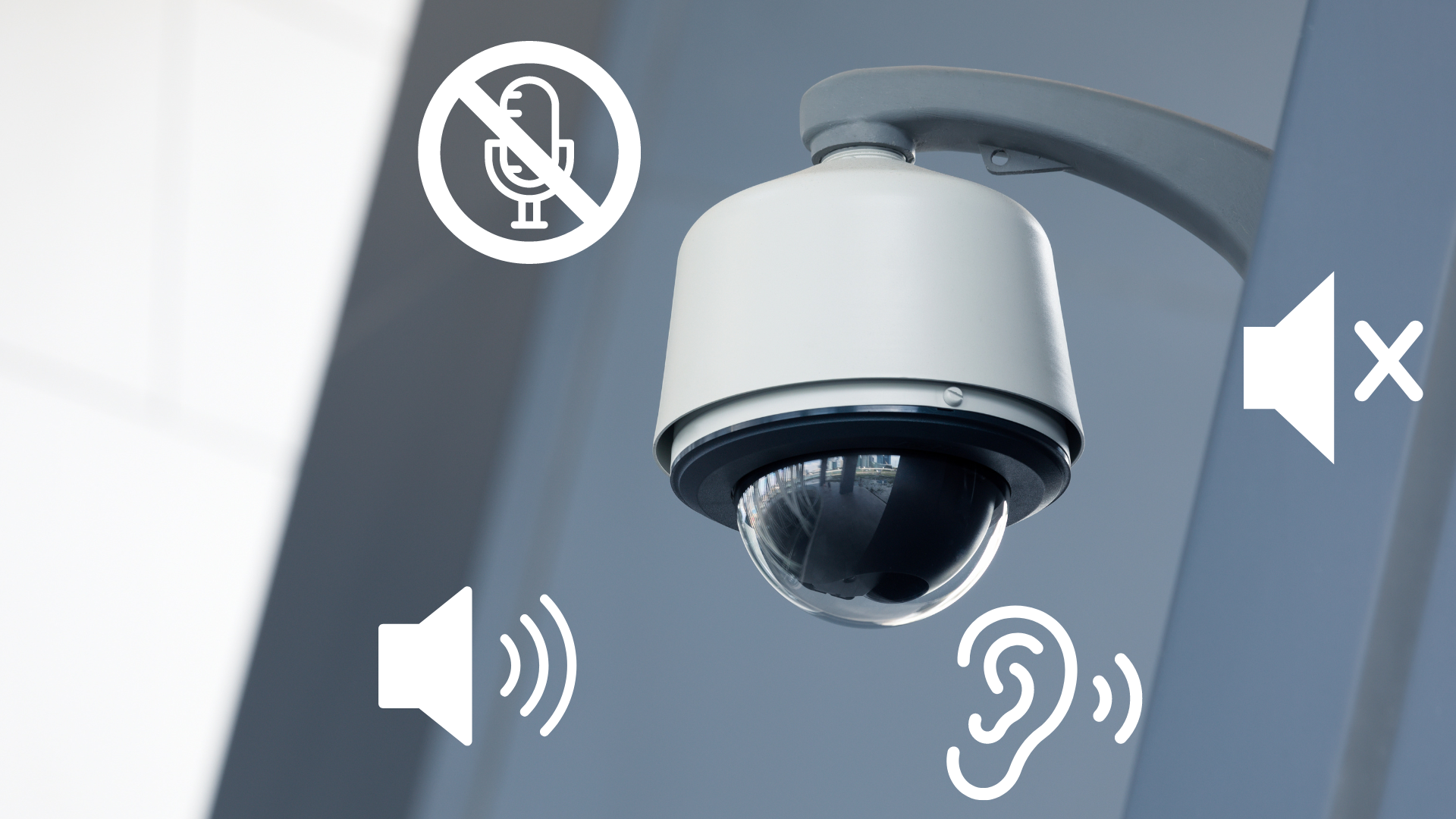
Video surveillance systems have become an essential component of security infrastructure, providing critical visual documentation for monitoring, deterrence, and evidence collection. However, the inclusion of audio recording alongside video is a subject of debate. While it can add valuable context to the footage, it also raises concerns around privacy, legality, and ethical considerations. In this blog, we’ll explore the pros and cons of integrating audio into your video surveillance system and help you decide whether it’s the right choice for your needs.
Advantages of Audio in Video Surveillance
- Enhanced Context and Clarity: Audio can provide additional context to what is happening on screen, clarifying ambiguous situations. For example, verbal threats, arguments, or sounds indicating distress are often missed in video-only footage. Having audio helps to paint a clearer picture of incidents.
- Improved Security and Safety: In environments like hospitals, schools, and public transportation, audio can be used to detect sounds of aggression, distress, or emergency situations like gunshots or alarms, allowing security personnel to respond more quickly.
- Better Evidence for Investigations: In legal disputes or criminal investigations, audio can be a crucial piece of evidence. It can capture conversations that may reveal motive, intent, or important details not visible in the video footage alone.
- Deterrence Factor: Just as visible cameras can deter crime, the presence of audio recording signs can discourage individuals from engaging in inappropriate behavior, knowing their conversations might be recorded.
- Customer Service and Training: In retail or service environments, audio can help in monitoring employee-customer interactions for quality assurance and training purposes, ensuring that service standards are met.
Disadvantages of Audio in Video Surveillance
- Privacy Concerns: Recording audio, especially in areas where people have an expectation of privacy, can lead to significant privacy issues. It may be seen as intrusive and can create a negative perception among employees, customers, or the public.
- Legal Implications: Laws regarding audio recording vary widely by jurisdiction. In some places, recording conversations without consent is illegal and can lead to serious legal repercussions. It’s crucial to understand local regulations and ensure compliance before implementing audio surveillance.
- Increased Storage and Costs: Audio recording increases data storage requirements, as audio files need to be stored alongside video. This can lead to higher costs for storage and data management, especially for long-term retention.
- Potential for Misinterpretation: Audio can sometimes be ambiguous and subject to misinterpretation. Background noise, unclear speech, or poor audio quality can lead to misunderstandings or misjudgments about what was said or meant.
- Technical Challenges: Capturing clear audio can be difficult in noisy environments or areas with poor acoustics. This can reduce the effectiveness of audio recording and make it less useful than expected.
When You Should Consider Audio for Video Surveillance
- High-Risk Environments: In places like banks, casinos, or government buildings, where security risks are high, the additional context provided by audio can be invaluable for incident investigation and response.
- Customer Interaction Areas: In customer-facing areas such as retail stores or call centers, audio can help in monitoring service quality, resolving disputes, and training staff.
- Emergency Response Scenarios: Locations where quick detection and response to verbal cues are critical, like hospitals or transportation hubs, can benefit from the situational awareness that audio provides.
- Workplace Safety and Compliance: In environments where safety instructions and compliance are crucial, audio can document verbal instructions and communications, ensuring safety protocols are followed.
When You Should Avoid Audio for Video Surveillance
- Areas with High Expectations of Privacy: Avoid using audio in locations such as restrooms, locker rooms, or private offices, where individuals expect a higher degree of privacy. Recording in these areas can lead to legal and ethical issues.
- Jurisdictions with Strict Privacy Laws: If your location has stringent laws around audio recording, it’s best to avoid audio surveillance to stay compliant and avoid potential legal risks.
- Non-Critical Areas: In areas where visual surveillance alone is sufficient to meet your security objectives, adding audio may be unnecessary and could complicate compliance and privacy considerations.
Contact us today
Deciding whether to include audio in your video surveillance system requires careful consideration of your security needs, legal obligations, and ethical implications. While audio can offer enhanced security, context, and evidence, it also comes with significant privacy concerns and potential legal pitfalls.
If you choose to implement audio surveillance, ensure that it is used in appropriate areas, with clear signage indicating its presence, and always in compliance with local laws and regulations. Thoughtfully applied, audio can be a powerful tool in your security arsenal, but it must be handled with care and responsibility to balance security with respect for individual privacy. Contact us today to get more information on the audio and sound system on video surveillance.