
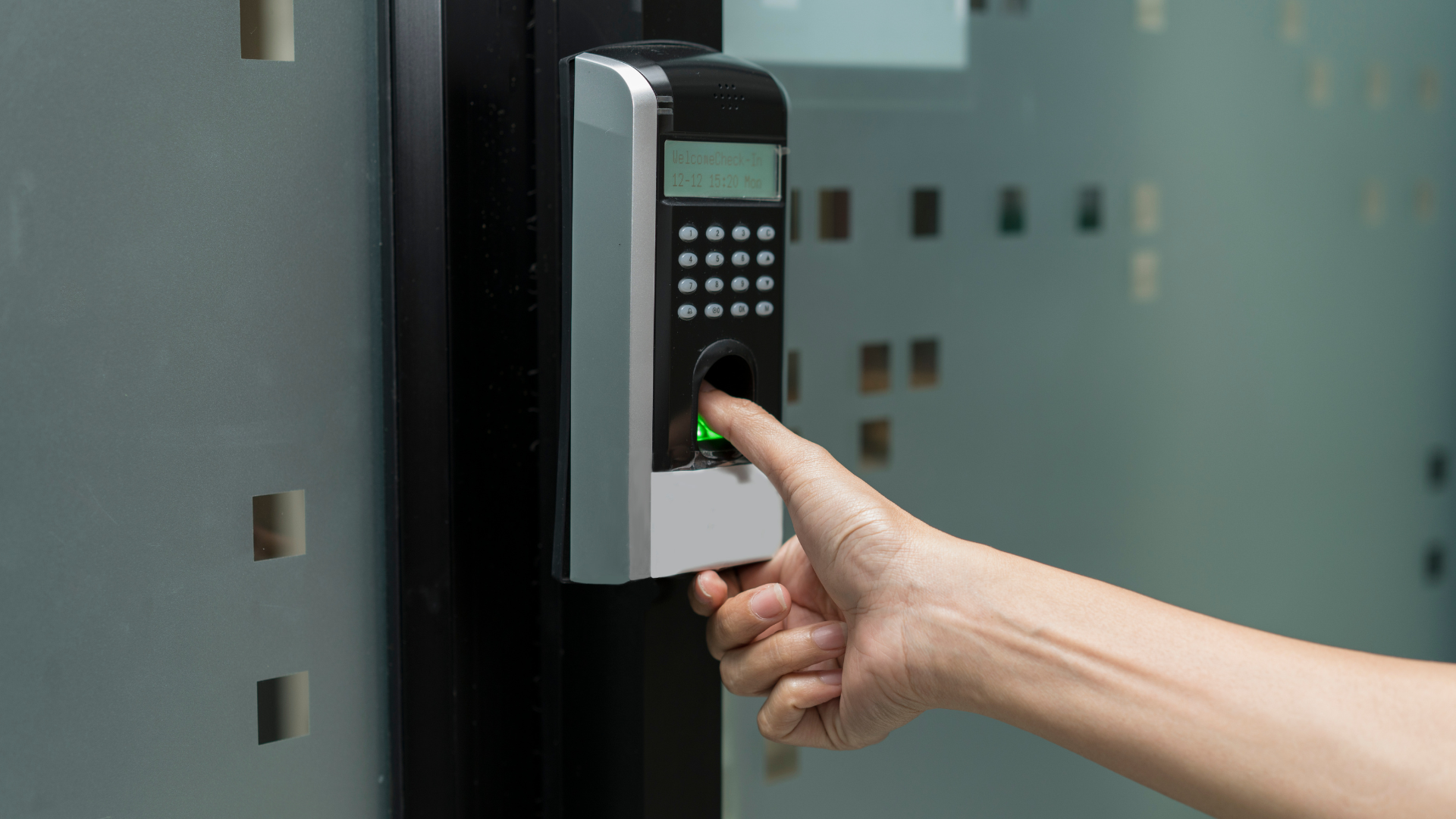
As security threats grow more complex, businesses and organizations are reevaluating how they protect physical spaces—from data centers and offices to healthcare facilities and schools. Traditional access control systems that rely solely on a keycard or PIN are no longer enough. That’s where multi-factor authentication (MFA) comes in.
Multi-factor authentication is a security approach that requires users to present two or more types of credentials before being granted access. By layering authentication methods, MFA significantly reduces the risk of unauthorized entry—even if one credential is compromised.
Let’s explore how MFA strengthens physical security and why it’s becoming a must-have for modern facilities.
What Is Multi-Factor Authentication?
Multi-factor authentication combines credentials from at least two of the following categories:
- Something you know – like a PIN, password, or security question.
- Something you have – such as a keycard, mobile credential, or security token.
- Something you are – biometric data like a fingerprint, facial recognition, or iris scan.
Using multiple factors makes it much more difficult for intruders to gain access, even if one form of authentication is stolen or copied.
Why Single-Factor Authentication Falls Short
Relying on just one method—like a proximity card—can leave facilities vulnerable:
- Cards can be lost, stolen, or cloned.
- PINs can be shared or guessed.
- Biometric-only systems may be vulnerable to spoofing without backup verification.
Multi-factor authentication addresses these weaknesses by creating additional layers of protection that work together.
How MFA Enhances Physical Security
1. Improves Access Control Accuracy
With MFA, only the right person using the right credentials can gain entry. For example, if an access card is stolen, the system will still require a second factor like a fingerprint or mobile authentication.
2. Reduces Insider Threat Risks
Employees or contractors with access credentials can pose internal risks. MFA helps prevent unauthorized use of shared or stolen credentials by requiring an additional identity check.
3. Supports Compliance in Regulated Industries
Industries like healthcare, finance, and government often require MFA as part of compliance with security standards such as HIPAA, PCI DSS, and FISMA. Implementing MFA can help avoid penalties and enhance audit readiness.
4. Prevents Tailgating and Unauthorized Entry
In high-security environments, MFA can be enforced at mantraps, turnstiles, or secure rooms—ensuring that each individual must authenticate through multiple checks before entering.
5. Enables Secure Mobile Access
When paired with smartphones, MFA can be applied using Bluetooth, NFC, or QR-code-based mobile credentials along with a biometric confirmation—offering both convenience and security.
Real-World Examples of MFA in Physical Security
- Data Centers: Require employees to swipe a card, enter a PIN, and verify identity through fingerprint scan before entering.
- Hospitals: Control access to medication rooms using ID badges and facial recognition.
- Corporate Offices: Use mobile credentials plus biometric confirmation for executive or IT room access.
Is MFA Right for Your Facility?
If you manage sensitive spaces, deal with confidential data, or simply want to increase your protection against unauthorized access, MFA is a smart investment. It doesn’t mean redoing your entire system—many modern access control solutions are MFA-ready and can integrate with existing hardware.
Final Thoughts
Multi-factor authentication isn’t just for online security—it’s a powerful tool in the physical world, too. By requiring more than one method of identification, MFA strengthens your facility’s defenses and helps keep your people, property, and information safe.
Looking to implement MFA in your access control system? Contact us to explore solutions that fit your security goals and infrastructure.