
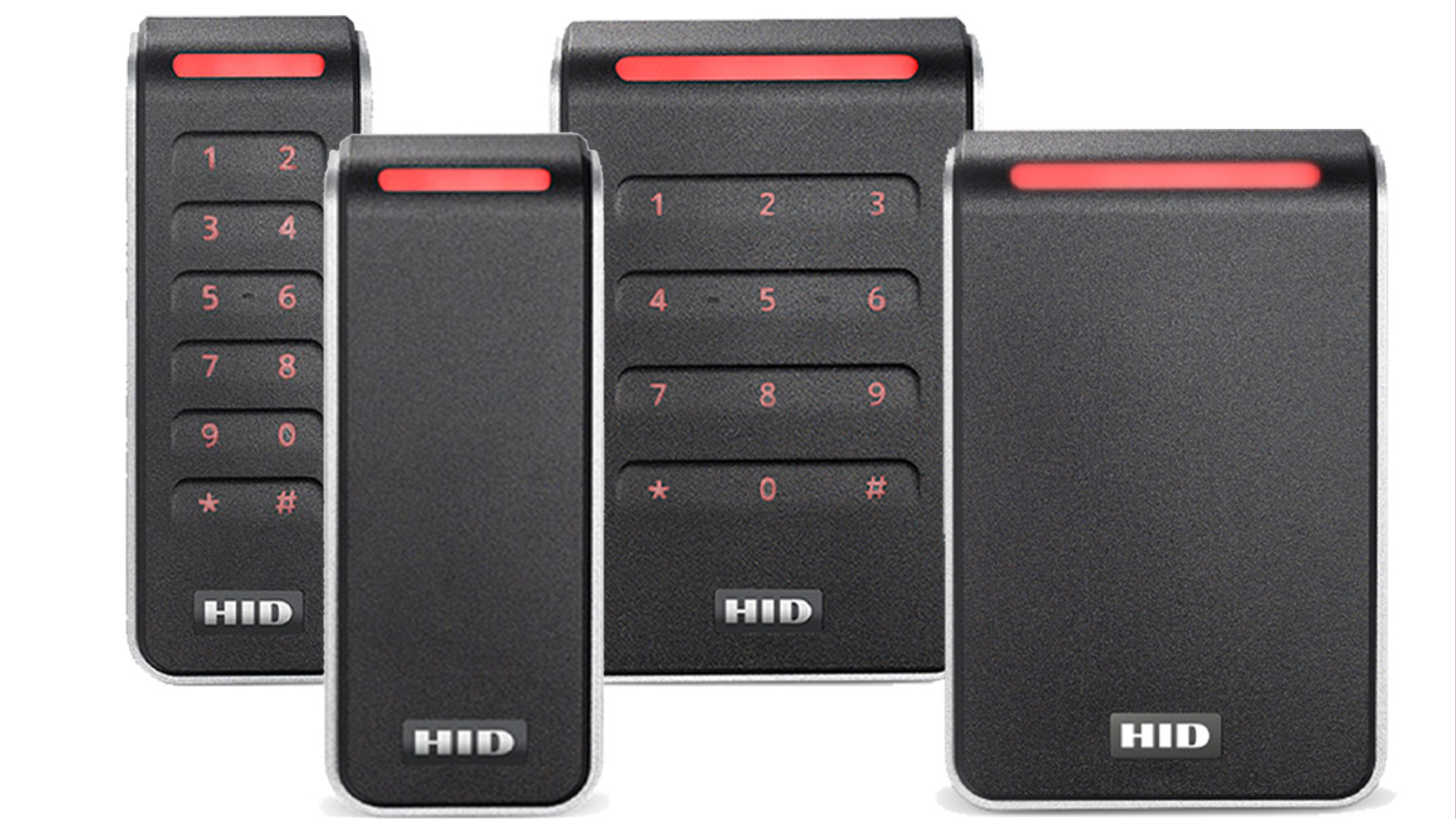
In today’s world, securing physical spaces and ensuring only authorized individuals can access specific areas is crucial for businesses, institutions, and even residential buildings. Access control systems have evolved significantly over the years, offering a wide variety of technologies tailored to different security needs. These systems help manage and monitor who can enter restricted areas and ensure security protocols are followed.
Let’s dive into the various types of access control readers available today, each serving different purposes and environments, and explore their unique features and benefits.
1. Biometric Readers
Biometric readers are among the most advanced access control technologies available. These devices use unique biological traits of individuals for identification and verification, providing a highly secure and reliable method for access control. Common types of biometric authentication include:
- Fingerprints: A person’s fingerprint is scanned and matched against a stored template.
- Facial Recognition: A camera scans the individual’s face and compares it to a stored facial profile.
- Iris Scans: A highly precise method that scans the iris, the colored part of the eye, for identification.
Advantages:
- High security, as biometric traits are nearly impossible to duplicate.
- No need for physical keys or cards, reducing the risk of theft or loss.
- Ideal for high-security environments like government buildings, data centers, or sensitive areas within corporations.
Disadvantages:
- More expensive to implement and maintain.
- Privacy concerns and potential resistance from users wary of sharing biometric data.
2. Proximity Card Readers
Proximity card readers are one of the most common and cost-effective forms of access control. These readers use RFID (Radio Frequency Identification) technology to detect proximity cards or key fobs. Users simply wave their card or fob near the reader to gain access.
Advantages:
- Convenient and quick to use.
- Cards can be easily deactivated or replaced if lost.
- Can be integrated with software systems to track entries and monitor employee attendance.
Disadvantages:
- Cards can be lost, stolen, or cloned.
- Less secure than biometric systems as they rely on possession of the card rather than verification of identity.
3. Smart Card Readers
Smart card readers function similarly to proximity card readers but come with added functionality. In addition to granting access, smart cards can store more data, such as employee credentials, health records, or payment information. Some smart card systems also include biometric verification, combining physical possession with personal identity confirmation.
Advantages:
- Can store additional information, making them useful for multi-purpose access.
- More secure than standard proximity cards due to encryption and additional verification options.
- Smart cards can be used for both physical access and logical access to digital systems.
Disadvantages:
- Higher cost compared to standard proximity cards.
- Smart cards can still be lost or stolen, though the risk is mitigated by encryption.
4. Keypad Access Systems
Keypad systems require individuals to enter a numeric code for access. These systems are relatively simple to install and operate, making them a popular choice for smaller businesses, residential buildings, or areas where entry control is necessary but not highly restricted.
Advantages:
- Inexpensive and easy to use.
- No need for cards or other physical devices.
- Can be used in combination with other systems for dual-factor authentication.
Disadvantages:
- Codes can be easily shared or stolen.
- Security is lower unless codes are changed frequently.
- People may forget their codes, leading to access issues.
5. Intercom Systems
Intercom systems serve as both an access control method and a communication tool. These systems allow individuals at the entry point to communicate with security personnel or designated staff inside the building. Many modern intercoms feature audio and video capabilities, ensuring that identity verification can be made before granting access.
Advantages:
- Ideal for visitor management, allowing verification of identity before entry.
- Combines communication with access control.
- Simple to use and maintain.
Disadvantages:
- Can be time-consuming, especially in high-traffic areas.
- Security depends on the personnel managing the intercom system.
- Limited automation, requiring manual approval for access.
6. Electronic Locks
Electronic locks, as their name suggests, are locks that can be opened electronically, typically through a card reader, keypad, or biometric system. These locks are commonly used in office buildings, hotels, and residential complexes. The locks can be programmed to accept various forms of credentials, making them versatile and adaptable to different types of access systems.
Advantages:
- Can be integrated with other access control systems.
- Eliminates the need for physical keys, reducing the risk of theft or unauthorized key duplication.
- Can be controlled remotely, allowing for flexibility in managing access.
Disadvantages:
- Depend on power or battery, and may require backup systems.
- More expensive than traditional mechanical locks.
- May require professional installation and ongoing maintenance.
Choosing the Right Access Control System for Your Needs
When selecting an access control reader for your business, it’s essential to consider several factors, such as the security requirements of your environment, the number of users, and the level of convenience you want to provide. Here’s a brief summary to guide your decision:
- For high-security environments: Opt for biometric readers or smart card readers with multi-factor authentication.
- For high-traffic areas: Turnstile gates and intercom systems may be the best solutions to manage flow and security.
- For cost-effective and straightforward setups: Proximity cards and keypad systems offer convenience without breaking the bank.
- For integrated building solutions: Electronic locks combined with any of the other systems provide flexibility and security.
Contact us Today
Access control readers are crucial components in modern security infrastructures. From biometric readers to simple keypad systems, each type of access control reader offers unique benefits suited to different environments and security needs. The right access control system will provide not only safety and security but also convenience, efficiency, and peace of mind for both the organization and its employees.
As technology continues to evolve, access control readers are becoming smarter, more secure, and better integrated into our daily lives, making them indispensable tools in managing and securing spaces in the modern world. Contact us today if you have more questions regarding access control readers.