
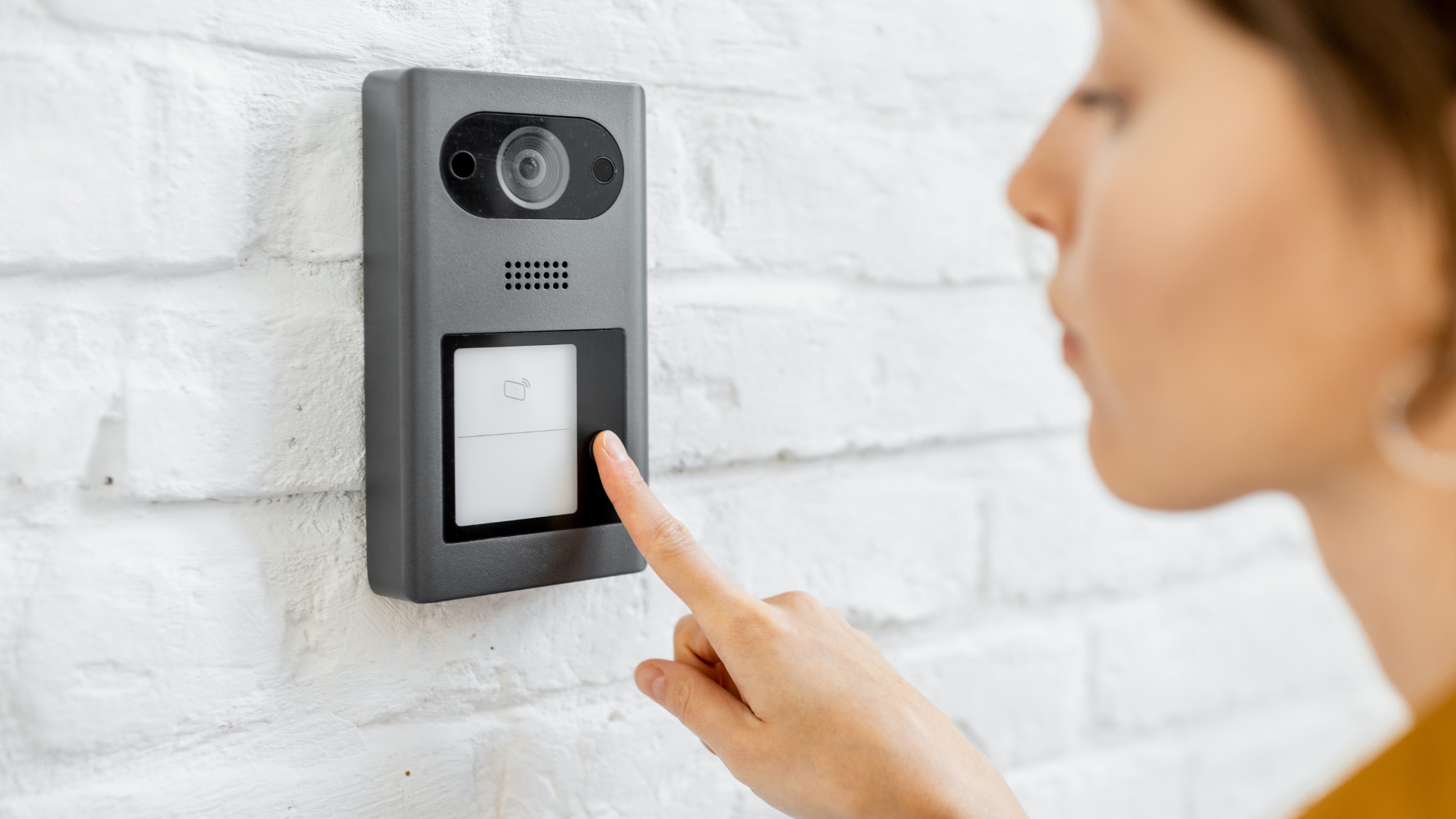
In today’s world, security and convenience are more important than ever. One powerful tool that enhances both is the video intercom system. Whether installed in residential buildings, commercial properties, or educational institutions, these systems allow for secure communication, visitor management, and access control, all while providing a visual confirmation of who’s at the door.
However, for a video intercom system to be most effective, it must be strategically placed. In this blog, we’ll cover the best practices for setting up video intercom systems and explore ideal locations to maximize their impact.
What Is a Video Intercom System?
A video intercom system is a communication device that allows for real-time video and audio interaction between different points, typically at an entrance and inside a building. Modern systems often come with advanced features such as mobile connectivity, allowing users to monitor and communicate remotely, door release functionality, and even integration with security cameras and other access control systems.
Benefits of a Video Intercom System
- Enhanced Security: Users can visually verify the identity of visitors before granting access.
- Convenience: You can speak with visitors and control access without physically going to the door.
- Visitor Management: Great for controlling and monitoring visitors in larger buildings or facilities.
- Remote Access: With app integration, users can monitor and interact with visitors even when they’re away from the property.
Best Practices for Installing Video Intercom Systems
To get the most out of your video intercom system, there are several best practices to keep in mind during installation:
1. Optimal Camera Positioning
The camera in your video intercom system needs to be positioned at the correct height and angle to capture a clear view of visitors’ faces. The industry standard is to install the camera at a height between 4.5 to 5 feet (137 to 152 cm) above the ground. This ensures a clear, recognizable image of most individuals.
The camera should also have a wide enough angle to capture the surrounding area and avoid any blind spots where a visitor could stand unseen.
2. Lighting Considerations
The intercom camera must be positioned in a well-lit area to ensure clear video, especially during nighttime. Avoid direct sunlight or positioning the camera in areas where lights can cause glare or shadows. Many modern systems come equipped with night vision, but having some ambient lighting at your entrances will still enhance visibility.
3. Weather Protection
If the intercom is installed outdoors, make sure it’s weatherproof or housed in a weather-resistant enclosure to protect it from the elements. Extreme temperatures, rain, and snow can damage the device or interfere with its functionality, so ensuring it is adequately shielded is essential.
4. Power and Connectivity
Ensure that the video intercom system is connected to a reliable power source, and if it’s a wired system, that the necessary cables are safely and neatly installed. For wireless systems, ensure a strong Wi-Fi signal at the intercom’s location to avoid any connectivity issues.
Ideal Locations for Video Intercom Systems
Selecting the right locations for your video intercom system is key to its effectiveness. Here are some of the most important spots to consider:
1. Main Entrance (Primary Access Point)
The most critical location for any video intercom system is at the main entrance. This could be the front door of a home, a lobby entrance in an apartment building, or the front gate of a commercial property. By placing the intercom at the main entry point, you allow residents, employees, or security personnel to verify visitors before granting them access.
- Tip: If the entrance includes a gate or separate door before the main building, consider installing the system at both points for extra security.
2. Secondary Entrances
Don’t forget about side doors or back entrances, as these are common points of access that could be targeted by unauthorized individuals. Installing a video intercom system at these locations ensures full coverage of all entry points, enhancing the overall security of the building.
3. Parking Garage or Delivery Entrances
For commercial properties, parking garages or loading docks often see significant traffic. Installing a video intercom system at these access points helps control vehicle entry and can allow employees or security personnel to screen deliveries before they enter the building.
4. Lobby or Reception Areas
In larger residential or commercial buildings, the lobby or reception area is often where visitors are first greeted. Installing a video intercom here allows for an extra layer of communication before visitors move further into the building.
5. Elevators in Secured Areas
In some high-security environments, certain floors may require restricted access. Installing a video intercom system outside elevators ensures that only authorized individuals can access specific areas of the building.
6. Gated Communities or Apartment Complexes
For larger residential communities, placing video intercom systems at the main gate or entrance is an excellent way to control visitor traffic and ensure only authorized personnel can enter the property. In this case, residents can verify visitors via the intercom and grant access remotely.
Remote Access and Integration Considerations
Modern video intercom systems often integrate with mobile devices, allowing users to communicate with visitors remotely. When considering the placement of your intercom, ensure that any system you choose supports mobile connectivity, especially if you plan to monitor your property while away. Additionally, consider integrating your intercom system with other access control features, like smart locks or security cameras, for a seamless security experience.
Contact us today
A well-placed video intercom system is one of the best investments you can make to improve security, communication, and convenience at your home or business. By following the best practices outlined above and installing the system in key locations, you can ensure that you maximize the system’s effectiveness and enhance overall safety.
For professional advice and a wide range of video intercom solutions, explore the offerings at Linstar by contacting us today, where our experts can guide you through selecting the best system and locations for your specific needs.