
In today’s fast-paced and security-conscious world, organizations need quick and reliable ways to manage access, track personnel, and protect assets. One of the most effective tools available is the RFID employee badge—a smart, secure credential used widely in schools, hospitals, businesses, and government facilities.
But what exactly is an RFID badge, and why is it such a popular choice? Let’s break it down.
Understanding RFID Technology
RFID stands for Radio Frequency Identification. It’s a wireless communication technology that uses radio waves to identify and track objects—like ID badges—without requiring physical contact or line of sight.
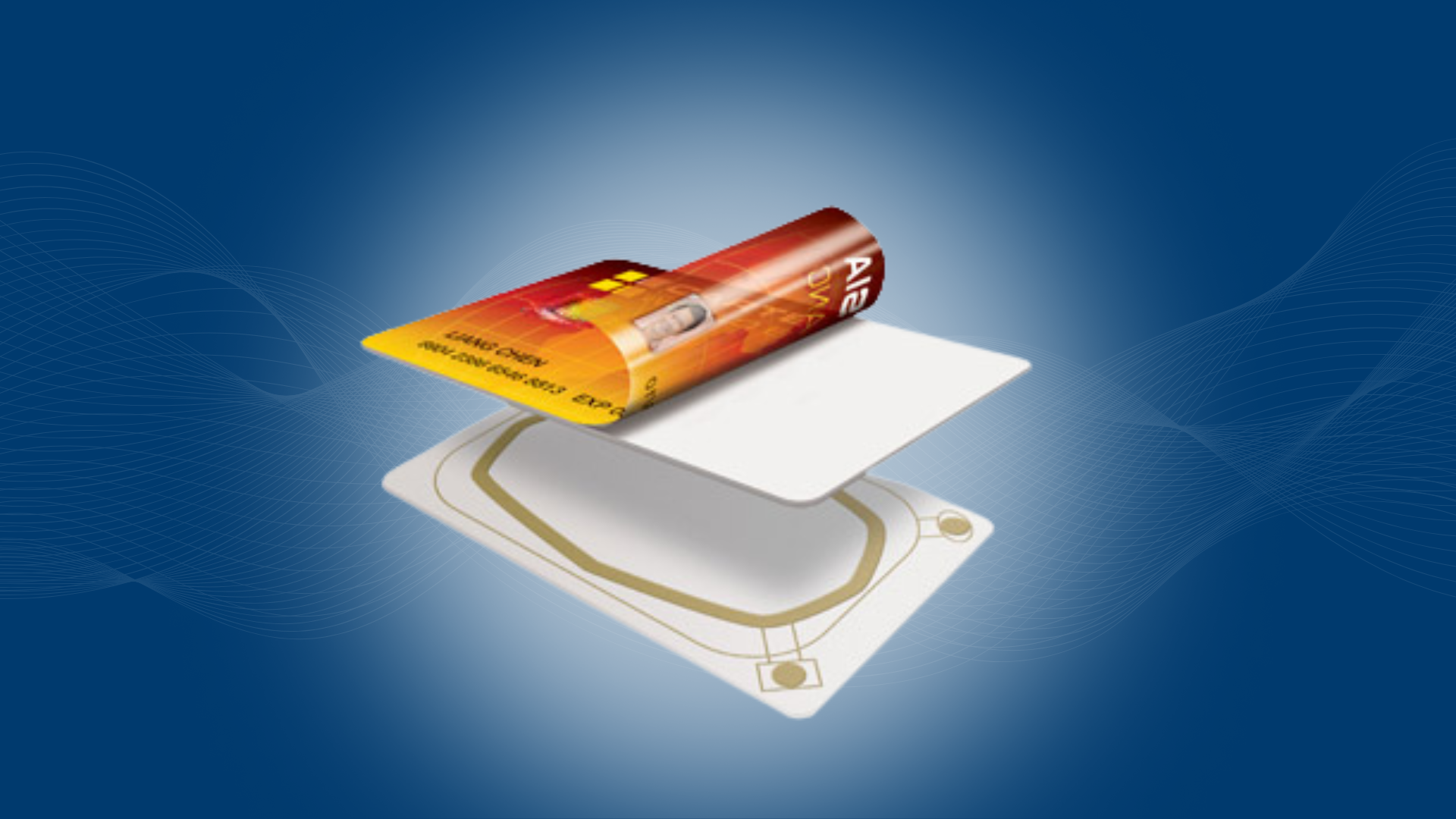
An RFID employee badge contains a small chip and antenna embedded within a plastic card. When the badge is brought near an RFID reader, the reader sends out a radio signal that powers the chip and allows it to transmit its unique identifier back to the system. This quick exchange happens in milliseconds and is used to authenticate users and grant access.
Types of RFID Employee Badges
There are two primary types of RFID employee badges based on how they transmit data:
1. Low-Frequency (LF) and High-Frequency (HF) Badges (Including 13.56 MHz Smart Cards)
These typically operate over short distances and are common in environments where security is a top priority. Smart cards in this category often support encryption, multiple applications (like building access and payment systems), and can even store user data.
2. Ultra-High Frequency (UHF) Badges
UHF RFID cards work at longer distances and are often used for asset tracking or vehicle access. These cards don’t require close proximity and can be read from several feet away, making them ideal for specific use cases like gated parking or warehouse logistics.
Benefits of RFID Employee Badges
RFID employee badges offer several advantages over traditional magnetic stripe or barcode ID cards:
- Contactless Operation – Simply tap or wave the badge near a reader—no swiping or scanning required.
- Faster Access – Speeds up entry into secure areas, reducing congestion during peak hours.
- Enhanced Security – Difficult to duplicate and often encrypted for data protection.
- Durability – Fewer moving parts mean RFID cards experience less wear and tear over time.
- Scalability – Easily integrates with larger security systems, including mobile access, video surveillance, and visitor management platforms.
Common Uses of RFID Badges
RFID employee badges are used across a wide range of industries and applications, including:
- Access Control – Grant or restrict entry to buildings, rooms, or facilities.
- Time & Attendance Tracking – Monitor when employees arrive and leave.
- Cashless Payments – Enable payments in cafeterias, vending machines, or at events.
- Equipment Management – Track equipment checkouts or usage.
RFID Employee Badge Security Considerations
While RFID employee badges are convenient, it’s important to implement them as part of a comprehensive security strategy. Best practices include:
- Encrypting badge data
- Regularly auditing system access logs
- Using multi-factor authentication when appropriate
- Protecting against badge cloning with advanced encoding or secure formats
At LINSTAR, we help clients design secure and scalable RFID systems that align with their unique access control needs.
Ready to Modernize Your Access Control?
Whether you’re upgrading from legacy cards or building a new system from scratch, RFID employee badges provide a secure, modern, and efficient solution. At LINSTAR Security, we offer a wide selection of RFID credentials, readers, and access control platforms—along with expert consultation and support to ensure you get the right solution.
Contact LINSTAR today to learn how RFID badges can improve security, efficiency, and user convenience at your organization.